
What website maintenance is - and what it isn’t

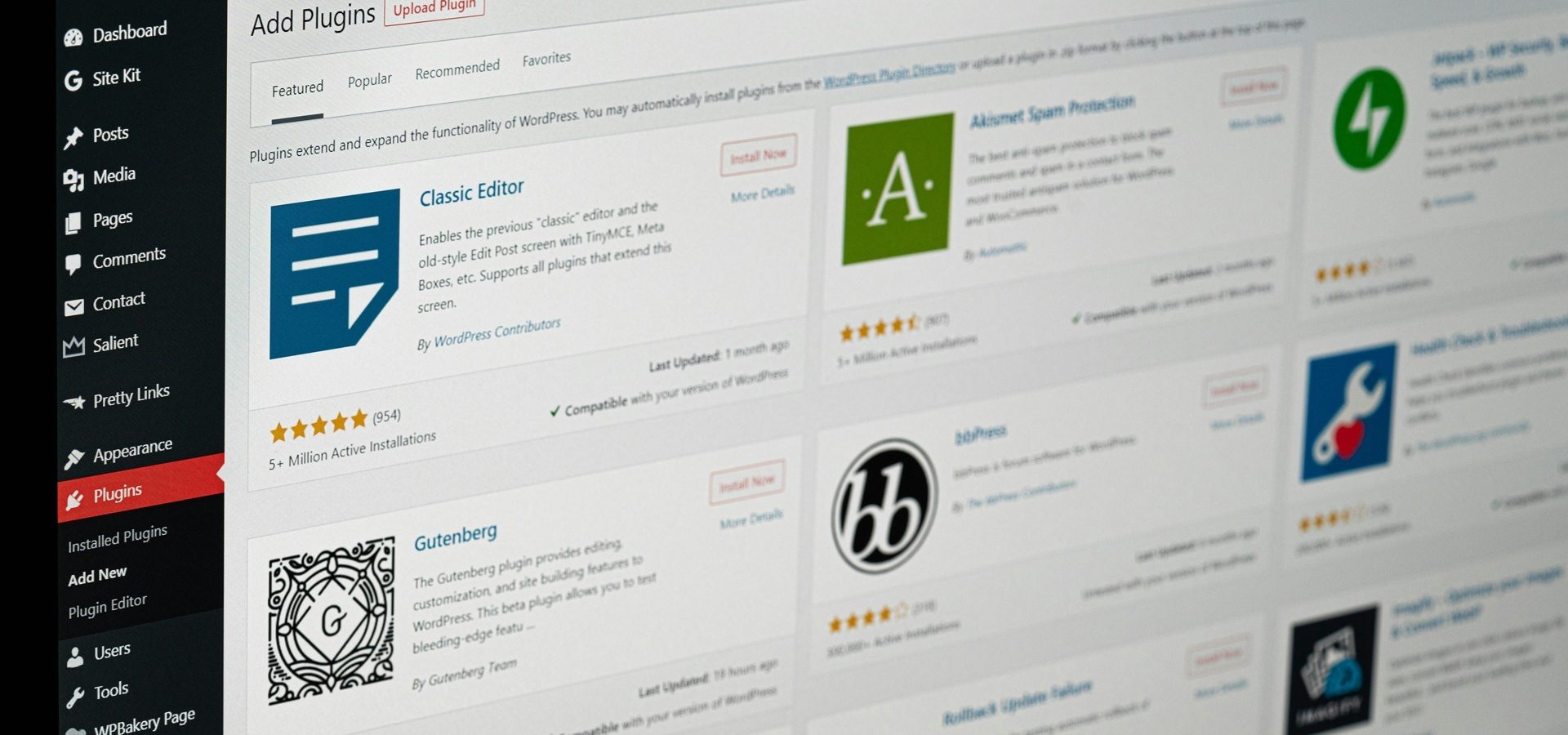
Website maintenance is the work that keeps your website reliable over time.
It is proactive and planned. It focuses on:
- reducing risk before issues become emergencies
- keeping software components up to date and secure
- monitoring site health and performance
- applying changes safely using controlled release practices
- maintaining the stability of the systems your site depends on
Website maintenance is not the same as website support.
Support is reactive and on-demand - it responds to issues as they arise and often includes new functionality, enhancements, and roadmap delivery.
Maintenance is preventative. It is the disciplined work of keeping the lights on and keeping the platform healthy. When maintenance is done properly, support requests tend to reduce because fewer avoidable problems occur in the first place.
Many organisations use both. Maintenance lowers risk and reduces the likelihood of urgent issues. Support is there when the unexpected happens and when you want to build or change things quickly.
What maintenance protects you from
Maintenance is not about being overly cautious. It’s about being realistic.
Without routine care, most websites drift into higher risk and lower performance over time - even if they look fine on the surface. The problems are often invisible until they become painful.
Here are some of the most common risks maintenance helps reduce:
Security vulnerabilities
Websites are made up of multiple moving parts - platforms, plugins, themes, integrations, server configurations, and third-party services. As those components evolve, vulnerabilities are discovered and patched. Maintenance ensures updates are handled properly so you’re not running outdated versions with known weaknesses.
Downtime and silent failures
Not all failures look dramatic. Sometimes a form stops sending. A payment step fails. An integration silently breaks. Or the site slows down gradually until users notice. Maintenance helps spot and resolve these issues early, before they damage reputation or cost enquiries.
Performance decline
Websites can become slower over time due to bloated assets, unoptimised media, outdated components, or server-level issues. Regular checks and housekeeping prevent gradual degradation and keep user experience consistent.
Compatibility and update conflicts
Updates are not just a button you click. When software components change, things can conflict - especially on complex websites. Proactive maintenance reduces the risk of “surprise breakages” by managing updates safely.
Loss of control over your digital assets
Over time, businesses often lose track of what sits where - domains, DNS, hosting, access credentials, accounts, renewals, and permissions. Maintenance helps keep control and clarity, which is essential when staff change or suppliers come and go.
Emergency work that costs more than prevention
The most expensive website work is often the work you didn’t plan for. Maintenance reduces avoidable emergencies and gives you a more stable, predictable foundation.
In short, maintenance exists so your website stays reliable, secure, and ready to support your organisation.
What’s included in Inspire website maintenance
Website maintenance should be comprehensive, but not vague. It should cover the work that genuinely protects your website and keeps it healthy.
The exact scope depends on your platform and needs, but typical maintenance includes:








If you’re unsure what your site needs, we’ll help you define a sensible maintenance scope based on risk, complexity, and what the website is responsible for in your organisation.
How proactive maintenance works
The difference between “maintenance” and “professional maintenance” is process.
Many website problems are caused by rushed changes, untested updates, or unclear ownership. Our maintenance approach is built around controlled release management and safe delivery.
Release management (why it matters)
When updates are applied carelessly, they can break functionality, degrade performance, or introduce new issues. Release management reduces that risk by ensuring changes are prepared, tested, and deployed in a controlled way.
In most cases, we follow this approach:
- Monitor and review
We review website health signals, known issues, and any changes in your environment. This includes looking at updates required and risks that might affect stability. - Prepare changes
We plan what needs to be updated, fixed, or improved. This might include security patches, component updates, and routine housekeeping. - Apply changes safely
Where appropriate, we apply changes in a development or staging environment first, rather than directly on the live site. - Test and verify
We test key areas to ensure changes have not introduced new issues and that the website behaves as expected. - Deploy and document
Once verified, we deploy changes and provide clear notes on what was done and why.
Server changes and environment upkeep
Some maintenance work involves your hosting environment, server configuration, or platform infrastructure. That might include planned server changes, configuration updates, or proactive work to keep your environment stable and secure.
This work is often invisible when done well - and very noticeable when ignored.
Maintenance vs support - when you need each
If you’re deciding between maintenance and support, here’s the simplest way to think about it:
- Maintenance reduces risk and prevents problems. It’s planned, proactive, and repeatable.
- Support responds when something breaks or when you need something built or changed quickly. It’s reactive and on-demand.
Many organisations use both. Maintenance keeps your site healthy and lowers the number of surprises. Support gives you a responsive route to handle unexpected issues and implement improvements, new functionality, and roadmap delivery.
If you are not sure which service you need, start with maintenance if your priority is stability and prevention. Start with support if you have a live issue or time-sensitive change that needs action.
Who maintenance is for
Website maintenance is not only for large organisations. It is for any organisation that relies on its website to be stable, trustworthy, and usable.





No matter the sector, the goal is the same: keep your website healthy, reduce avoidable risk, and support ongoing improvement.
Transparency, reporting and ownership
Good maintenance should never feel like a black box.
You should know what is being done, why it is being done, and what it protects you from. You should also have clarity on what is included, what is not included, and what risks have been identified.
Depending on your maintenance arrangement, we can provide:
Our aim is to build confidence, not confusion. Maintenance exists to reduce stress, not add to it.
Next steps
If your priority is stability, security, and fewer surprises, website maintenance is the best place to start. We’ll help you define the right level of care based on your platform, risk profile, and how critical your website is to daily operations.
You may also find these related pages useful:
Support Website Care Website Hosting Ticket Support Facilities Management for Websites
If you’re ready, get in touch and we’ll recommend a maintenance approach that keeps your website smooth, secure, and properly supported.